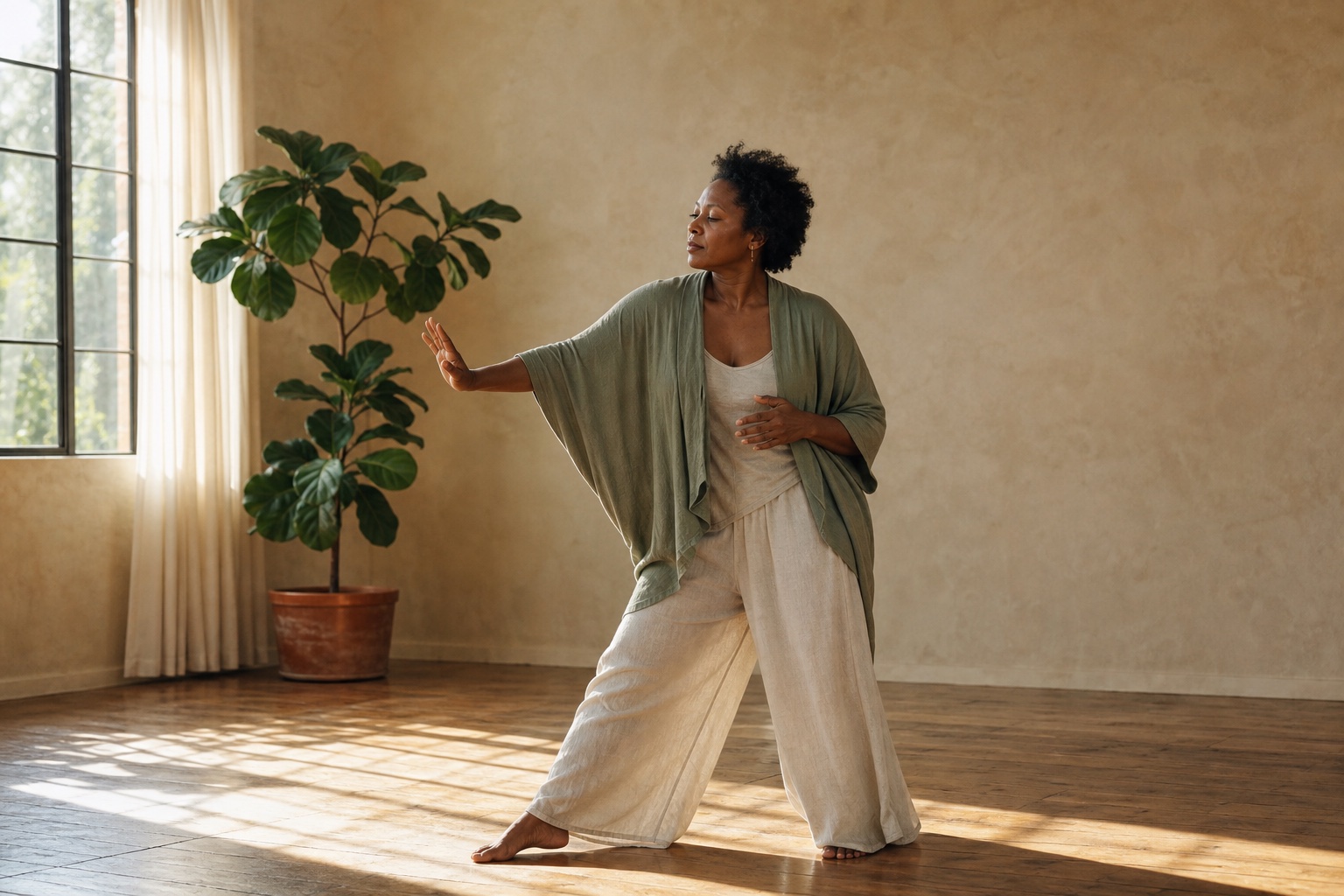
Dance/Movement Therapy is a form of psychotherapy that uses movement and body awareness as part of the therapeutic process. It is grounded in the understanding that emotional, cognitive, relational, and physical experiences are connected.
You do not need dance training, coordination, flexibility, or a certain kind of body to participate. Sessions are not performances. Movement can be small, seated, imagined, or skipped entirely.
Where Dance/Movement Therapy came from
Dance/Movement Therapy developed as a distinct profession in the twentieth century as clinicians and dancers explored how movement could support communication, expression, and psychological care. Today, practitioners receive specialized education and supervised clinical training that brings movement methods into an ethical psychotherapy framework.
It is important to distinguish Dance/Movement Therapy from a recreational dance class. Both may feel meaningful, but DMT is guided by clinical goals, informed consent, professional boundaries, and an ongoing therapeutic relationship.
What may happen in a session
Every therapist and client work differently. A session may begin with conversation about what has happened since you last met. From there, your therapist might invite you to notice your breathing, sense where you feel support from the chair or floor, or explore a gesture connected to an emotion.
Other possibilities include:
- Mirroring or observing a simple movement
- Exploring boundaries and personal space
- Using rhythm to support grounding
- Noticing patterns of tension, stillness, or impulse
- Moving with music or in silence
- Reflecting verbally on what the movement brought up
You can always ask why an activity is being suggested. You can also modify it, pause, or say no.
What concerns can movement-informed therapy address?
Dance/Movement Therapy may be incorporated into care for stress, anxiety, depression, trauma-related symptoms, grief, body disconnection, relationship concerns, and life transitions. The approach and pace should be individualized; no therapy can guarantee a particular result.
Some people appreciate DMT because words do not always capture the full experience. Others find that noticing the body helps them recognize stress earlier, practice new boundaries, or reconnect with creativity and choice.
Is it appropriate after trauma?
Body awareness can be supportive, but it may also feel intense. Trauma-informed work emphasizes safety, collaboration, and pacing. A therapist should not push for emotional release or movement that feels exposing. Early sessions may focus primarily on conversation and orienting to the present.
Ask a prospective provider about their training, credentials, approach to consent, and experience with your concerns. A good therapeutic fit should leave room for questions and honest feedback.
Dance/Movement Therapy in Metro Atlanta
Sacred Balance Wellness Center integrates movement and somatic awareness with psychotherapy for adults and couples. In-person care is available in Metro Atlanta, with virtual therapy for clients located in Georgia.
A consultation can help you learn how movement might—or might not—be used in your care and decide whether the approach feels aligned with your needs.